Identify who arranged the delivery
In consumer purchases, the store usually bears the risk of loss or damage until delivery of the goods. Choosing a courier from the options offered by the store does not transfer this risk to the buyer. The exception relates to the carrier of the buyer ' s choice, which was not influenced by the seller.
This means that the phrase of the store "deal only with the courier" does not close its responsibility for the order delivered by the method proposed. But buying from a private person and sending a personal parcel are different situations; first establish the party to the contract.
If the tracking shows delivery and the goods are not
Check the order address, the delivery point notification, the agreed delivery instructions, and who could legitimately accept the shipment. Write to the seller that the goods have not been received and provide the order number and tracking. Ask to verify the proof of delivery and resolve the issue of order execution.
Do not confirm receipt on the site for the promise of the seller "after that we will refund the money". Keep a snapshot of the status and correspondence. If the delivery did take place to your authorized recipient, the further assessment is different from a loss in transit; tell the circumstances honestly.
If the box is damaged
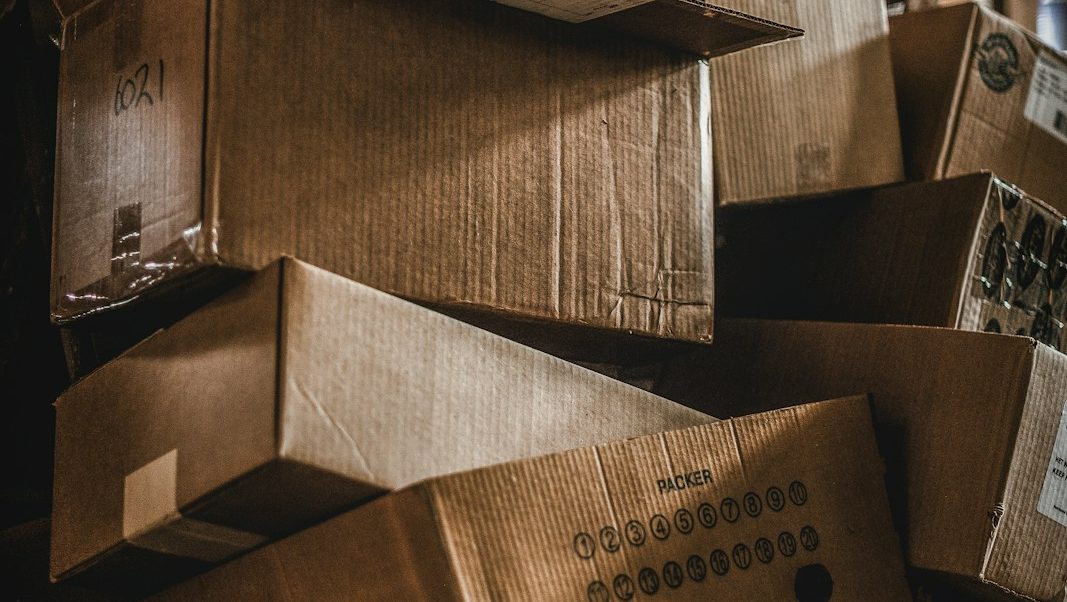
If possible, secure the package before opening and draw up an accessible report of damage with the carrier. Keep the box, label and filler. They help to understand what has been damaged during transportation. Do not throw away the packaging immediately after one photo of the product.
The absence of a perfect courier act should not automatically be considered a loss of all rights to the seller. Send available evidence and describe when the damage was noticed. For hazardous object, leakage or damaged electrical device, do not try to prove operation by switching on.

Package for contacting the vendor
- Order number, payment date and agreed delivery method.
- Tracking status and what actually happened.
- Photo of packaging, label, goods and certificate, if drawn up.
- A list of missing or damaged items.
- Specific request and address for reply.
- Previously received responses from the courier or site.

How not to lose the opportunity to resolve a dispute
Check the buyer protection periods inside the platform if it has been used: they do not necessarily coincide with the legal claims periods. Keep the confirmation of sending, do not close the dispute until the actual result. If the seller promised a replacement, ask for the date and the new shipment number.
Specify what is being offered: re-delivery, repair, replacement or return for the applicable reason. Do not demand to keep the goods, get a replacement and a full refund at the same time without a legitimate reason. If the goods are damaged, use also the complaint procedure for non-conformity.
When you need help
If the seller continues to refer only to the courier, send a written claim stating the chosen delivery and the fact of the non-delivery/damage. For disputes with the entrepreneur, you can use the official consumer assistance; for self-mail, a complaint is required according to the rules of the postal service.
Make a short timeline: order, promised deadline, delivery attempt, first contact, response. It helps to separate the delay from the confirmed loss and choose the next step without endless calls between the two services.